
emergency
/ɪˈməːdʒ(ə)n(t)si/ • noun
a serious, unexpected, and often dangerous situation requiring immediate action
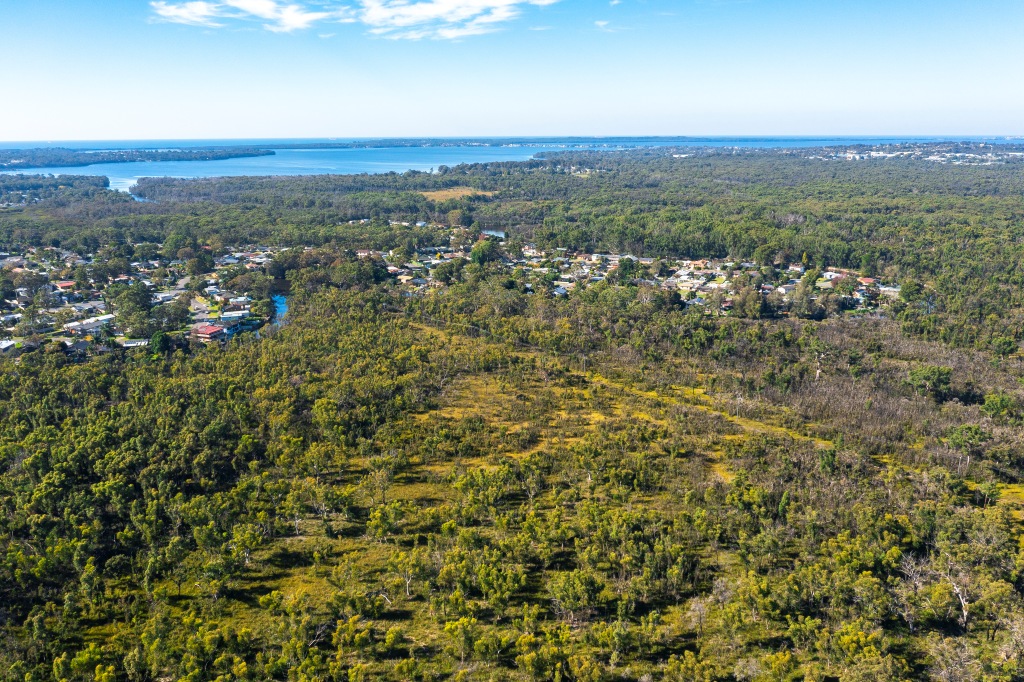
Here at Coasties, we love the Coast for its natural beauty – it’s why so many of us choose to live, work and holiday here – but the flip side is the weather risks that come with it. Bushfires, storms, heatwaves and flooding can affect any part of our region, and what seems like a simple weather event can turn into an emergency, fast. The best way to protect yourself, your family and your home in case of a Central Coast emergency is to plan and prepare well in advance, and this is where simple everyday actions really can make a difference.
Beecause being prepared, aware and connected helps our whole community stay safer and recover faster after an event. With that in mind, we’ve worked with Central Coast Council to pull together a four-part guide covering road safety, emergency planning, bushfire readiness and storm response. We encourage everyone to take a few steps now to understand local risks and to be ready when the unexpected happens. A bit of prep goes a long way, and now’s the perfect time to start.
ADVERTISEMENT:

The Central Coast road trip safety guide (every traveller should read)
Is there anything more Aussie than a summer road trip? Bags jammed into the boot like a round of Tetris, your fave playlist on repeat, and endless games of spotto and eye-spy amongst cries of “are we there yet?” But there’s more to it than just getting out of the driveway – and when you’re road tripping through the Central Coast, it helps to plan and prepare so you’re ready in the case of an emergency. Our region is surrounded by bushland, waterways and winding roads, all of which can be impacted by bushfires, storms, floods and heatwaves.
So wherever your next road trip takes you – arriving, leaving or simply exploring the Central Coast – here’s how to stay safe, stay aware, and hit the road with confidence.
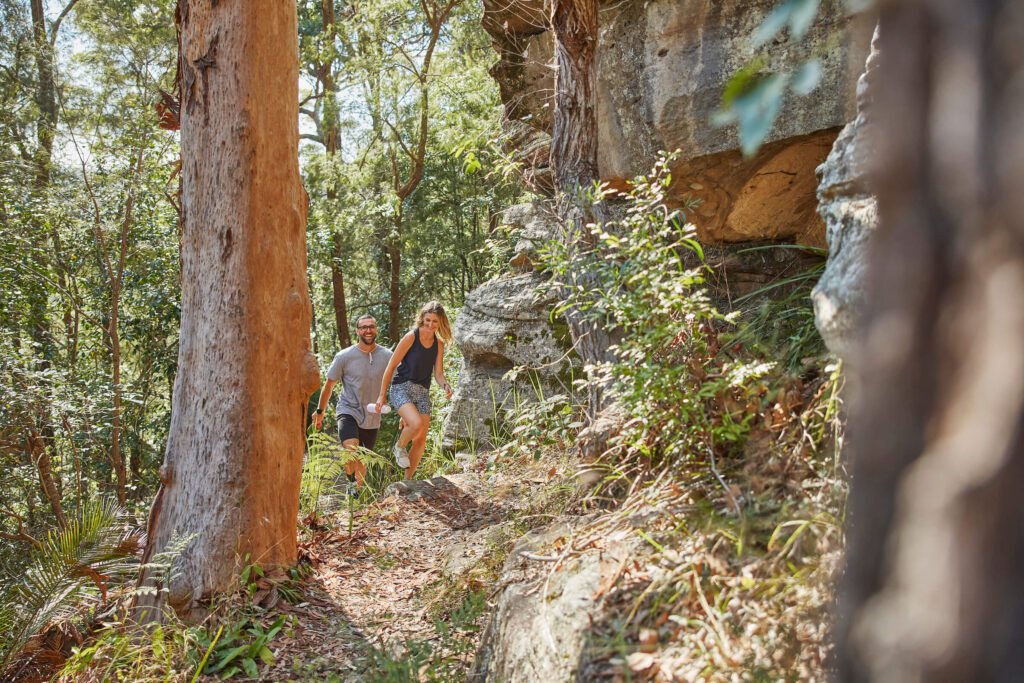
Check Conditions Before You Go
Before you throw the bags in the boot, take two minutes to check what’s happening on the ground.
Start by downloading the Hazards Near Me app – it’s your go-to for the latest bushfire, flood and storm info. Make sure you update your settings so you’re receiving alerts for your next destination and any other regions you’ll be passing through, like the Central Coast, Hawkesbury or Lake Macquarie. (The app was previously called Fires Near Me. If that’s still on your device, it’s time for the update.)
Pair this with a quick look at Live Traffic NSW for road closures, accidents and weather-affected routes, and Bureau of Meteorology (BOM) for severe weather warnings and rainfall forecasts. If you’re driving on the M1 Pacific Motorway, keep in mind it can be heavily impacted by accidents, smoke or fallen trees in big weather events. A quick check before you leave could save you hours on the road.
Know When Not to Travel
We all love the early-morning dash to beat the traffic, but sometimes the safest move is to delay your trip. Hit pause if there are active bushfires along your route, a storm front moving in, or visibility is reduced by heavy smoke. Flooded roads are a hard no – it looks shallow, until it isn’t. Extreme heat can be just as risky, especially for older cars or vehicles towing caravans.
If something feels off, trust your gut. Your destination isn’t going anywhere!
ADVERTISEMENT:

Pack a Simple “Just In Case” Car Kit
You don’t need to go full survivalist, but having a few essentials in the car can make a massive difference in an emergency. We recommend:
• 5-10 litres of water
• First aid kit
• Torch
• Snacks
• Basic tools and jumper leads
• A light blanket or towel
• Phone chargers + power bank
• Printed copy of your travel plans
• For kids: activities, comfort toys, wipes, spare clothes
• For pets: collapsible bowl, lead, waste bags, treats
Driving in Extreme Conditions
Bushfires: Stick to main routes on high-risk days. If you encounter smoke, keep windows closed and air on recirculate. If you ever see fire on or near the road, turn back immediately and call 000 once you’re safe.
Storms: Heavy rain and low visibility are your cue to pull over and wait it out. There are many tree-lined roads across the Central Coast that can see branches come down quickly. Coastal roads may also be hazardous during extreme surf events.
Flooding: If a road is underwater, turn around. Low-lying areas across the Coast and wider NSW can flood with little warning, so check conditions before driving.
Heatwaves: Travel earlier or later in the day to avoid peak temps. Keep a close eye on pets (cars heat up frighteningly fast), and know where the nearest “cool places” are, like shopping centres, libraries and cinemas.
Your Road Trip, Your Responsibility
No matter where your next adventure starts, a bit of prep keeps your Central Coast road trip focused on the fun stuff instead of scrambling for information in a stressful moment. Download Hazards Near Me, set your alerts for your route, check Live Traffic NSW and BOM, and you’re already ahead of the game.
ROAD TRIP INSPO: Explore the iconic Tourist Drive 33 through the Central Coast Hinterland
How to Plan and Prepare for an Emergency on the Central Coast
Yarramalong local, Renee Perkins Lacy, will never forget the night she watched her world burn. Trapped in a tiny group of houses at Cottage Point in Ku-ring-gai National Park, her family was helpless against the flames that threatened them. They were saved by a group of heroic firefighters who battled through the night, but for Renee, the feeling of fear and helplessness is never far from the surface. As an adult, she has translated that terrifying childhood experience into an organised practice to protect her own family from environmental threats. This is called ‘Emergency Preparedness.’
What does this mean? Renee assures us that there is no need to start digging bunkers in the backyard. Emergency Preparedness is just a practice of organisation and acquiring key information. We recently sat down with Renee to understand what it means to be prepared in an emergency.

Q. What does ‘emergency preparedness’ mean?
The main idea is that it takes the stress out of an unexpected event. We see threatening events in the news all the time and the reality is that we need to consider the possibility of natural disasters. To be prepared means that you know how different events could affect you and your home. It’s about making sure that you have established clear procedures to follow if something happens.
Q. Why do you think it’s important to educate Coasties about being ready for an emergency?
Extreme events are having such an impact on communities. Severe storms, heat waves, floods, and fires; have all hit the Coast in recent years. These days, we depend on utilities and services for everything, and, during these events, we can find ourselves without power, flushing toilets or running water. In my area, we have seen power outages last for days. This can put great strain on families and create a lot of stress and fear. Knowing how to be ready for an emergency is everybody’s responsibility. It’s important to make sure we are talking to each other and sharing our knowledge to be prepared.
Q. Why do you think it’s important to educate Coasties about being ready for an emergency?
Big storms and weather events are having such an impact on communities in our current environment. High winds, floods, and fires; have all hit the Coast in recent years. In today’s society we depend on utilities and services for everything, and, during these events, we can find ourselves without the basics. In the past, we have seen blackouts last for days. This can put great strain on families and creates a lot of stress and fear which can turn a manageable situation into a traumatic event. When you plan and prepare for an emergency on the Central Coast, this can be more manageable.
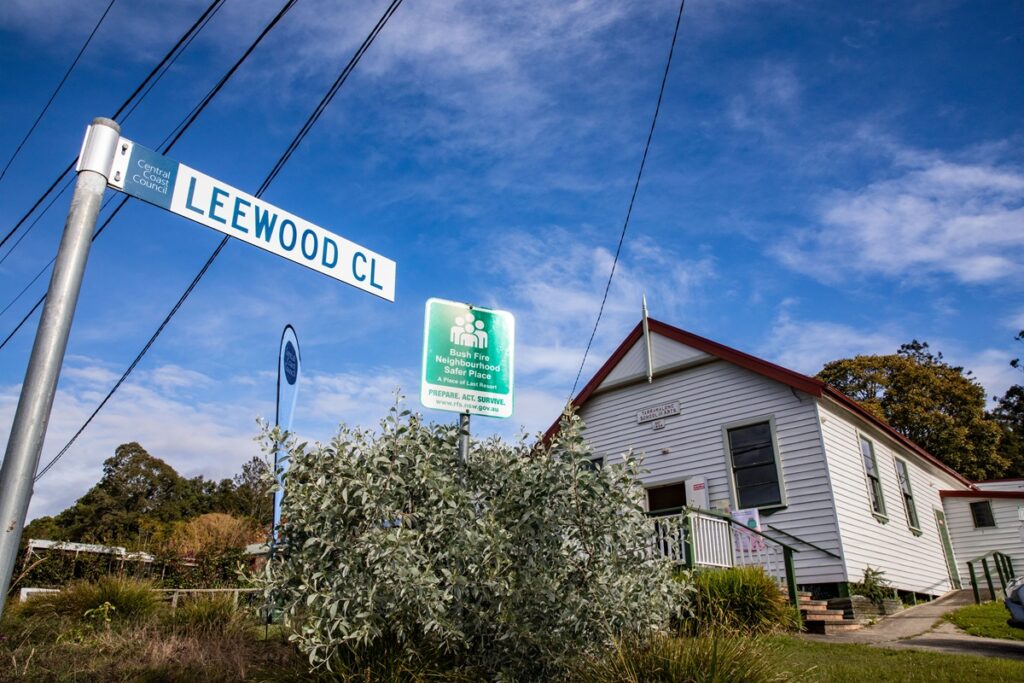
Q. What types of emergencies have you experienced? How has this informed your need to be prepared?
We endured a lot of fire events during my childhood living in Cottage Point and we almost lost my family home in 1994. This really informed my need to be emergency-ready. I now live in Yarramalong Valley and have experienced flooding; a completely different type of emergency. Since living there, my family and I have navigated three major floods. Flooding often means that you are isolated for long periods of time; being alone for over a week with no communication is a reality for people in some areas. I learnt to combat the fear of something like that happening by being organised and prepared.
Q. How do we get started? What advice would you give Coasties about preparing their emergency plans?
Education about your local area is a good place to start. Know the risks in your local environment. Do you live near bodies of water? Is your property near to bushland? Knowing the history of your area is important as well. Becoming clear about the risk factors will help you make the right preparations to support yourself and your family. In Renee’s experience, simple things like canned food and a portable gas top stove have been excellent resources to have on hand. Storing bottled water is also a must. Living on a bigger property, Renee has also used generators and Starlink communications, which have helped her recover from flooding with minimal loss.
Q. What about my pets?
Pets are family too, but can be problematic during events because they are scared. Make sure you have access to pet crates, leads and food, which are easy to grab in an evacuation or when you lose services. If you are on property with livestock, then you need to ensure you have a plan for animals and that you can open gates to allow animals to seek safety and move to safer ground if needed. We practice our evacuation with our pets, so they get used to going in the crate and in the car.
Q. The concept of an emergency is scary. How can you positively involve kids in emergency preparedness?
The best thing to do is to be clear and open when communicating with them. Keeping them informed can help them to remain calm during events as they understand what is happening and that their family has enough resources to sustain a few days in the dark. Give them a say and have a chat about things that are most important to them and what they would like to take to help them feel safe. Letting children be a part of your emergency preparedness is an empowering experience that shows them that you value their ideas and that, together, you can manage challenging times.

GET INVOLVED: Everyday People. Extraordinary Impact: Why the Central Coast Rescue Squad Needs You
Q. How can I work with my community?
Familiarise yourself with local services. Visit your local NSW RFS on their open days and chat about your plans. The SES website gives some excellent advice on emergency preparedness and there are plans you can fill in to suit your family. Check in with your neighbours and establish a relationship that will help you support each other during unexpected events. Local community Facebook pages are also a great way to stay connected and share information about ways to prepare your homes through the changing seasons. In Yarramalong we make sure that we lean on our community and know our neighbours. This helps during those scary times of isolation because we know that we are not alone and that we can rely on our emergency preparations.
Test yours and your family’s own emergency preparedness
> Do you know your closest neighbours and have their contact info? Y / N
> Are you aware of the potential risks your home/property could face? Y / N
> Do you have some of the above-mentioned essentials in your pantry that could sustain your family for a few days? Y / N
> Have you ever chatted to your kiddos about what could happen if an emergency were to take place? (This could be as simple as a chat about smoke alarms after a visit to your local Fire Station’s open day). Y / N
> Are you a member of your local neighbourhood/community Facebook group? Y / N
How’d you score?
Scoring 4/5 or more means you’re doing well! Keep up the good work as you plan and prepare for an emergency on the Central Coast.
Hey Coasties, are you bushfire ready?
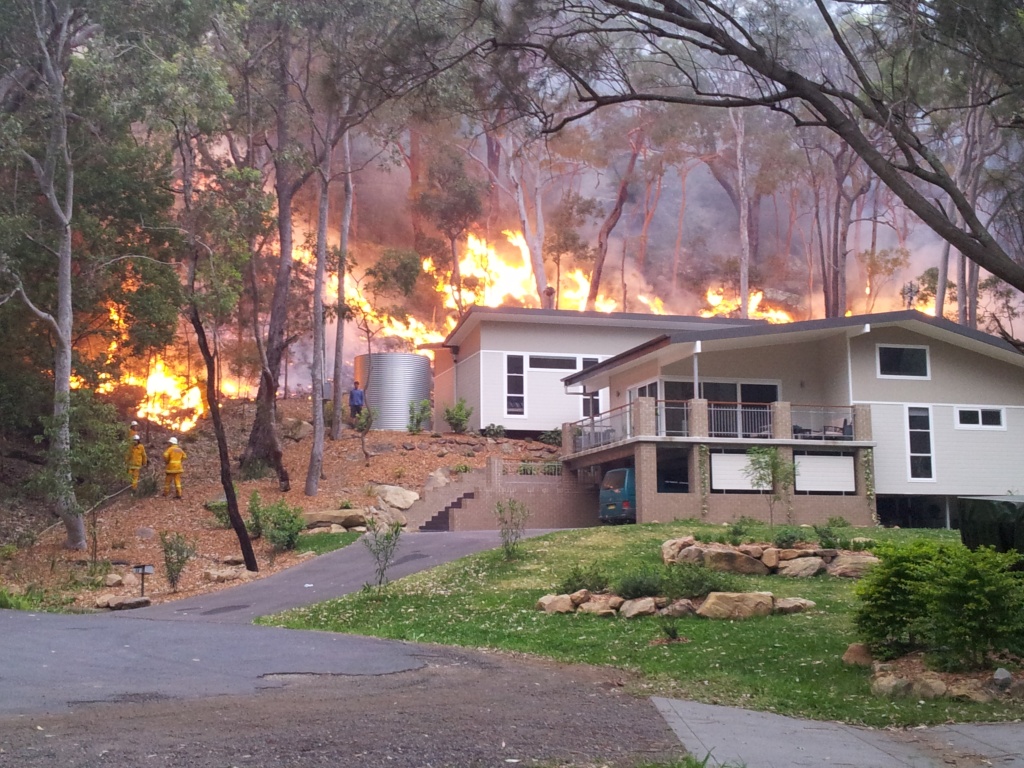
Bushfires are part of life in Australia. For many on the Central Coast, memories of smoky skies and sirens will always feel close. With lots of regrowth from a few wet seasons, the bushfire risk has increased for 2025/2026 – so now’s the time to get bushfire ready, not when the trucks are already rolling.
Because here’s the thing: bushfires don’t wait until summer, and they’re not just a rural issue. With more unpredictable weather patterns and fast-growing vegetation after all that rain, even suburban homes on the Central Coast can be at risk.
The good news? Bushfire preparedness doesn’t need to be overwhelming or dramatic. A few simple steps now can make a huge difference when conditions heat up.
Five practical bushfire safety tips to action
Step 1: Know your risk (and don’t assume you’re safe)
It’s easy to think “that won’t happen here,” but the truth is, most of the Central Coast sits in or near bushfire-prone zones. You can check your address on the NSW RFS interactive Bush Fire Prone Land Map, but remember that bushfires can ignite anywhere.
If you live near bush, grassland or even large reserves, it’s essential to have a clear plan for what you’ll do in the event of a fire. Who’s responsible for what? When will you leave? Where will you go?
If you’re not sure where to begin, Get Ready NSW is a great place to start.
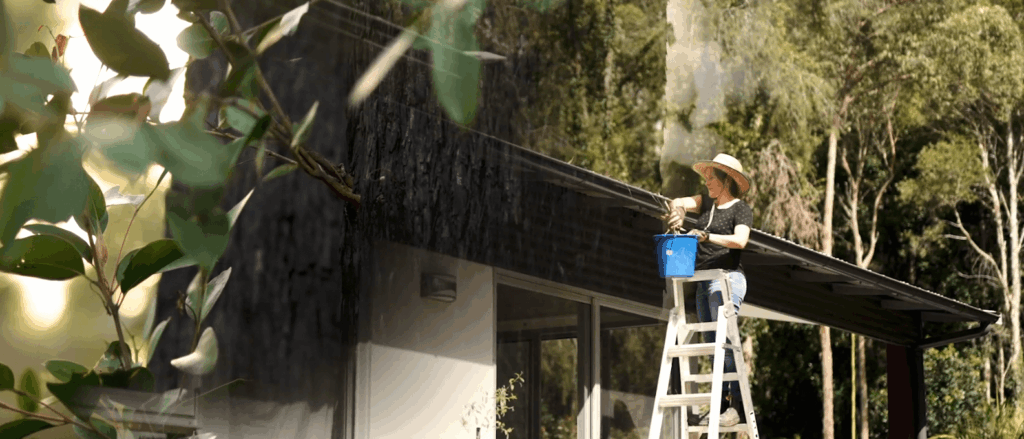
Step 2: Start with a spring clean
Spring cleaning usually refers to inside jobs – but it’s the perfect time to tidy the yard too.
• Clear gutters, roofs and downpipes
• Trim overhanging branches and mow grass regularly
• Move flammable items away from the house
• Repair any gaps in walls, eaves or under the house where embers could sneak in
Got a pool, tank or dam over 3,000 litres? Request a Static Water Supply (SWS) sign sign so firefighters know they can tap into it if they need to.
Extra tip: Check your home insurance offers adequate and up-to-date coverage.
Step 3: Pack a grab-and-go kit (and include your pets)
If a fire breaks out, you might need to leave quickly, so it pays to be ready. Your emergency kit should include:
• Copies of important documents
• Medications and first aid
• Clothing and toiletries
• Water, snacks and phone chargers
• A printed copy of your bushfire survival plan
And don’t forget the fur babies! Pack food, leads, ID tags, vaccination records and a safe carrier if needed.
Step 4: Stay up to date
When bushfires hit, every minute matters. Stay informed:
• Download the Hazards Near Me app
• Follow NSW RFS, Live Traffic NSW, and Central Coast Council on social media
• Tune into local ABC radio for updates
Remember: you don’t have to wait for an official warning to leave. If you feel unsafe, it’s always better to go early.
Step 5: Make it a family affair
Emergency plans shouldn’t live in your head. Talk it through with the whole family and keep it simple:
• Agree on when to leave
• Know where you’ll go
• Assign jobs – who grabs the pets, the bags, locks the doors
• Stick your plan on the fridge for everyone to see
Final tip? Don’t do it alone.
This kind of prep is so much easier when you talk about it. Chat to your neighbours, check in with older residents, and share your plan. If you know someone who’s physically unable to prep their property, the RFS’s AIDER Program might be able to help.
Because when we’re all prepared, we’re all safer.
Plan and prepare for a bushfire emergency now, so we can spend the Central Coast summer enjoying the sunshine, not scrambling in a crisis.

POST-EMERGENCY PREP PLANS: Whats on this weekend on the Central Coast NSW
Are you ready for the next storm? Why Central Coast residents need an emergency plan
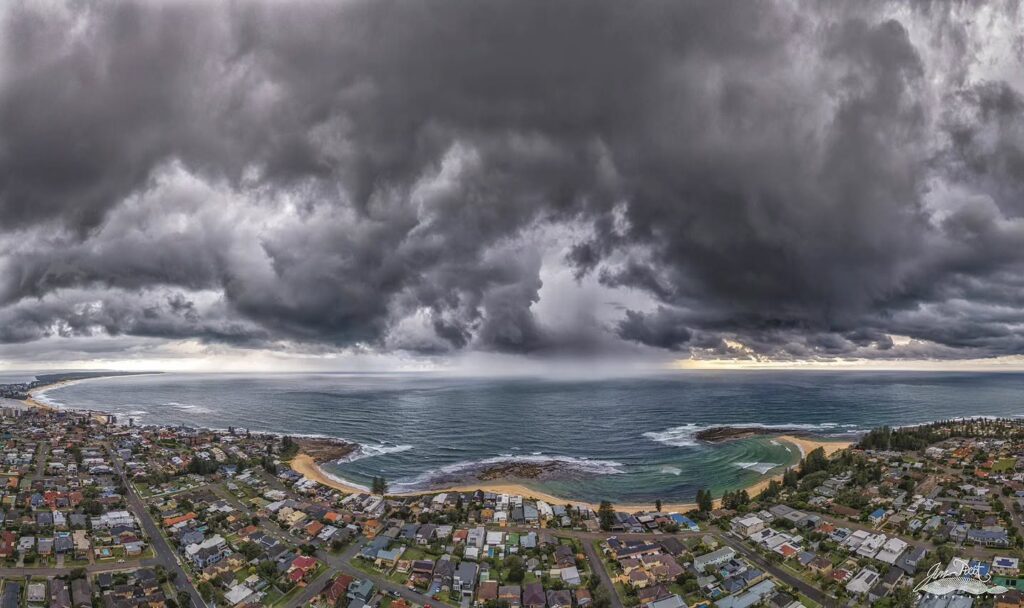
If the past few years have taught us anything, it’s that wild weather isn’t a someday problem – it’s happening right now. From flash flooding and intense storms to bushfires and heatwaves, the Central Coast (and a lot of NSW, really) has been hit with more than its fair share of unpredictable weather. And while we can’t control what the skies throw at us, we can control how prepared we are.
The good news? Getting prepared has never been easier thanks to a new Online Emergency Planning Toolkit launched by the NSW State Emergency Service (SES). It’s quick, easy, and designed to help you create a personalised plan that keeps you and your household safe – even when the unexpected hits.
Why Emergency Planning Matters
Let’s be honest – prepping for emergencies often ends up on the “I’ll get to it later” list. But recent events have shown just how fast things can escalate. In some areas of regional NSW, heavy rainfall in the first half of 2025 caused flash flooding that left families stranded, roads cut off, and homes damaged. And often, those who found it hardest to cope were the ones caught off guard.
When you live in a region surrounded by bushland and waterways, like we do on the Central Coast, it doesn’t take much for things to turn. Fires, floods, severe storms – sometimes all in the same season. You don’t want to be figuring out where the torches are or how to get in touch with loved ones when the power’s already out. A little forward planning can make all the difference when the weather turns wild.
The Online Toolkit Making Emergency Planning Simple
Good news for people on the Central Coast – it doesn’t need to be overwhelming to plan and prepare for an emergency. The Online Emergency Planning Toolkit is all about keeping things simple. No complicated jargon or endless forms, just a few quick steps to help you:
• Map out the best evacuation routes
• Save key contacts and emergency numbers
• Note important health info (like prescriptions or mobility aids)
• Make a checklist of what to pack if you need to leave in a rush
• Store everything in one spot, ready to go when you need it
It works for households, share houses, and even small businesses – so whether you’ve got three kids and a dog or just yourself to worry about, it’s totally worth doing.
Know Your Neighbours Before Emergency Strikes
Another important part of being prepared? Knowing who’s around you. In an emergency, your neighbours are often your first point of support – and you could be theirs. Maybe it’s helping someone get their bins in before the wind picks up, or checking in on an elderly resident who lives alone. These small moments of connection can turn into lifelines when things go south.
So while you’re filling out your plan, have a think about the people next door. Do they have a plan? Would they need help evacuating? Would you? You don’t have to become besties overnight – even just swapping contact details can make a big difference.
Your Central Coast Emergency Plan Starts Now
Emergencies are stressful enough without having to scramble for info at the last minute. Having a plan gives you back some control – and makes it much easier to act quickly, safely, and calmly when every second counts.
So don’t wait until the next emergency. Make a cuppa, grab your phone, and spend the next 10 minutes creating a plan that could genuinely save lives. Your future self will thank you!
Head to the Central Coast Council’s emergency page to plan and prepare: centralcoast.nsw.gov.au
It’s one of those things you’ll be glad you did – even if you never have to use it.
YOU MIGHT ALSO LIKE:
The Independent Heart of Art on the Central Coast
The New Central Coast Business Openings That Have Us Talking













Congratulation!